July 24, 2026
Pouring a fresh glass of water only to notice a milky, hazy appearance can be quite unsettling. While your initial reaction might be panic, cloudy tap water is a frequent issue that homeowners experience across the country. Understanding the root causes of this transparency issue can help you determine whether the fix is a simple DIY task or if it requires professional assistance from a plumber.
Trapped Air Bubbles in the System
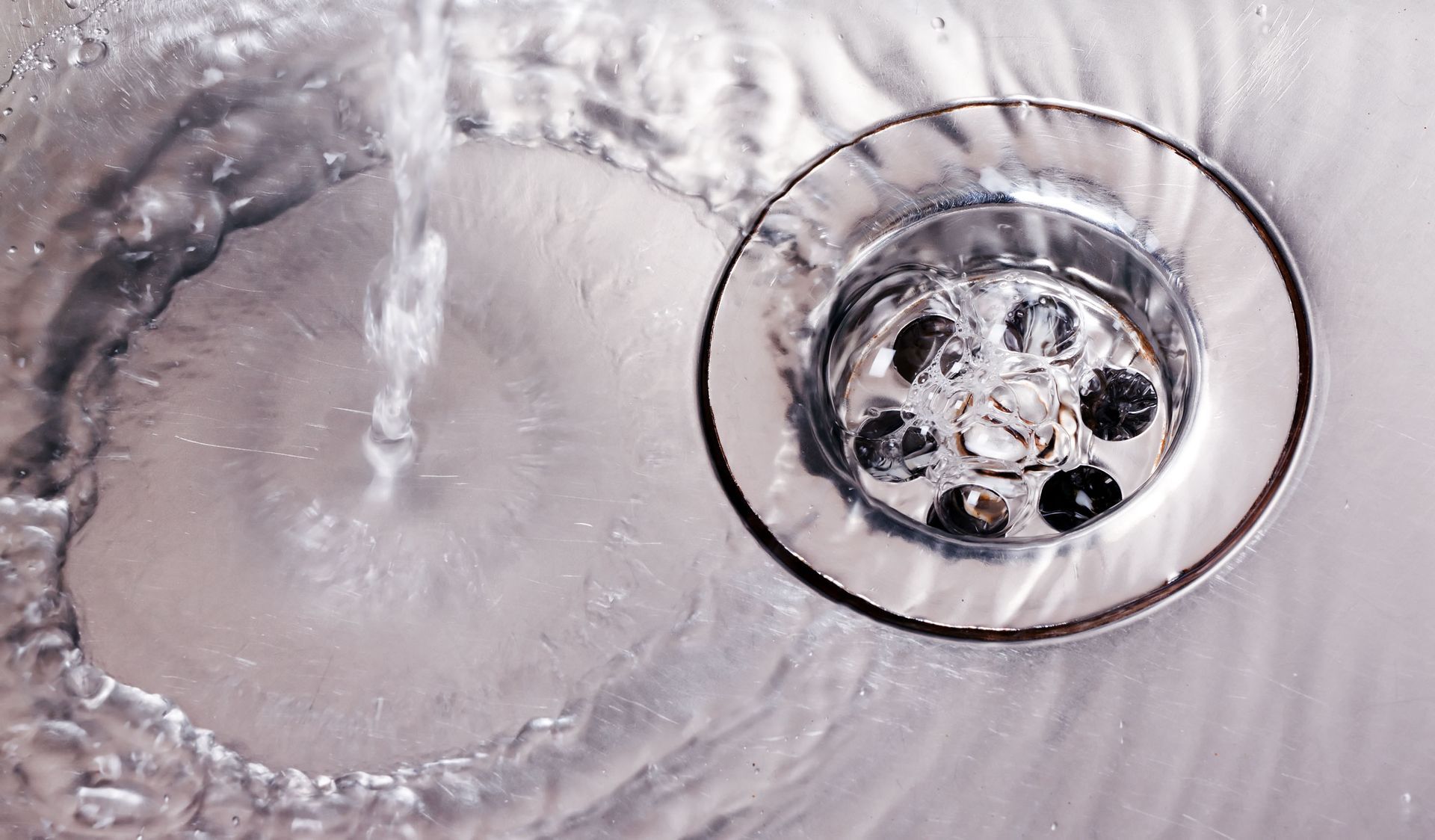
The absolute most frequent cause of cloudy tap water is completely harmless: tiny pocketed air bubbles. When water travels through municipal supply systems, it is kept under a significant amount of pressure. This intense pressure allows atmospheric gasses to dissolve easily into the liquid. When you open your faucet, the pressure drops instantly as the water leaves the spout and enters your glass. This sudden release causes the dissolved air to quickly transform back into microscopic bubbles, giving the stream a uniform milky or foggy appearance.
You can easily test for this specific phenomenon at home with a clear drinking glass. Fill the glass to the top with your cloudy tap water and place it on a flat kitchen counter. Watch the glass closely for two to three minutes. If the cloudiness begins clearing slowly from the very bottom of the glass upward to the rim, you are simply looking at trapped air escaping into the surrounding room. This means your water supply is perfectly safe to drink and consume, requiring no technical fixes or alterations to your system.
Municipal Water Main Maintenance and Pressure Spikes
Sometimes the source of your hazy water does not originate inside your property line at all. Local utility companies frequently perform routine flushing of city water mains, repair nearby broken lines, or work on street hydrants. These activities introduce significant amounts of air and loose sediment directly into the massive underground distribution lines. When these disruptions happen, the sudden pressure fluctuations stir up natural particles that usually sit undisturbed on the bottom of the city pipes.
If you suspect recent utility work is causing the discoloration, try running your cold water taps for several minutes. Choose a high-flow fixture like an outdoor garden hose bib or a bathtub faucet to flush the line thoroughly. If the water remains heavily discolored or cloudy after flushing for ten minutes, it is time to call a professional plumber to evaluate if the issue has migrated into your personal service lines. According to Gitnux, Americans spend $1.2 billion on average on water and sewerage annually. With that level of national investment in utilities, ensuring your personal home connection functions flawlessly is highly important.
Hard Water Mineral Accumulation in Home Pipes
If the water in your glass remains hazy long after sitting on the counter, high concentrations of minerals could be the culprit. Hard water contains high levels of dissolved calcium and magnesium compounds. Over long periods, these minerals can precipitate out of the liquid state, leaving behind a fine chalky residue suspended in your water. This mineral cloudiness is common in areas drawing from deep groundwater wells.
To check for a high mineral presence, fill a small glass with tap water and add a few drops of white vinegar. If the cloudiness dissolves and the water turns completely clear after a few moments, you are dealing with calcium carbonate. While mineral-heavy water does not present a health risk, it can cause severe scale buildup inside your pipes, appliances, and fixtures. Over time, these heavy deposits restrict overall flow and degrade your infrastructure. Consulting a certified plumber can help you explore long-term solutions, such as whole-home filtration setups, to shield your pipes from premature degradation.
Water Heater Tank Deterioration and Sediment Buildup
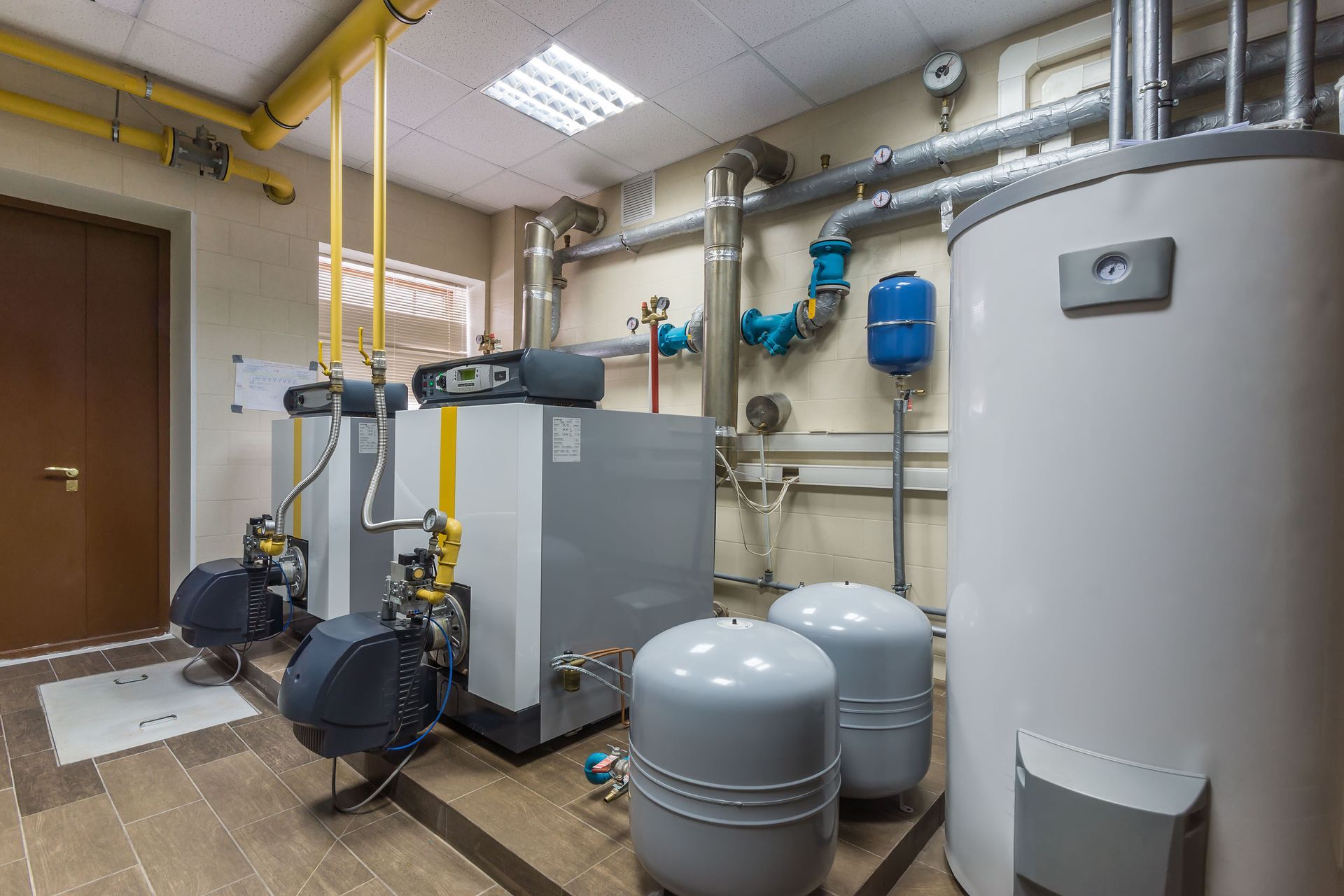
When cloudy water only appears when you turn on the hot water tap, the root cause is almost certainly sitting inside your water heater. Over years of constant operation, natural mineral scale settles to the bottom of the heater tank. As the heating element cycles on and off, it bakes these minerals into a hard crust that eventually breaks apart into tiny flakes. When hot water draws from the top of the tank, these swirling particles mix into the stream, creating a cloudy presentation.
This issue reduces the efficiency of your appliance and can lead to internal overheating. To resolve this, the storage tank needs a thorough physical flush to clear out the accumulated debris. If you have never drained your heating unit before, having an experienced plumber perform the maintenance ensures it is drained safely without damaging the delicate heating elements. Regular servicing extends the lifespan of the appliance and ensures your hot water runs crystal clear.
Local Structural Pipe Degradation and Corrosion
Older plumbing systems built with galvanized iron or older copper configurations naturally degrade over decades of constant use. As internal corrosion takes place, tiny particles of rust, zinc, and protective coatings flake off into the flowing water. This internal breakdown often shows up as a persistent grayish, yellowish, or cloudy tint when you turn on your taps after they sit unused for several hours.
Ignoring internal pipe corrosion can lead to pinhole leaks behind your walls, reduced household water pressure, and localized structural property damage. A licensed plumber can utilize specialized diagnostic tools to inspect the interior walls of your distribution lines. Catching pipe decay early allows you to perform targeted repairs before a major pipe rupture creates an expensive emergency situation.
Sump Pump and Well System Malfunctions
For households that rely on private well systems rather than municipal city water, cloudy water can point to mechanical problems underground. If your well pump is positioned too close to the bottom of the drilled shaft, it can accidentally pull up fine silt, sand, and organic clay. Similarly, a cracked well casing allows surface runoff and fine dirt to seep directly into your clean drinking supply. Furthermore, seasonal fluctuations in the local water table can shift subterranean debris, further exacerbating the turbid appearance of your water. This influx of abrasive particulates acts like sandpaper on your plumbing infrastructure, steadily eroding your household fixtures, valves, and water-using appliances.
Persistent cloudiness in a private well system should never be ignored, as sediment can rapidly wear out your internal pump components and lead to premature system failure. A professional plumber who specializes in well systems can evaluate the depth of your pump apparatus and check the physical integrity of your well casing. These experts can also install specialized filtration and sediment screens to intercept fine particles before they ever reach your living space. Ensuring these systems are sealed and elevated correctly keeps external dirt out of your kitchen and bathroom fixtures, preserving your equipment and your peace of mind.
Navigating Your Home Water Quality Fixes
Determining whether your cloudy water is a temporary issue or a serious warning sign comes down to careful observation. Air bubbles disappear on their own in moments, but persistent cloudiness from minerals, sediment, or pipe decay requires targeted professional attention. Taking care of your water quality protects your household appliances, maintains your property value, and ensures your family always has access to clean water.
If your tap water remains persistently cloudy, milky, or filled with strange sediment, you do not have to guess at the solution. The expert team at Weiand Plumbing, Inc offers comprehensive residential and commercial plumbing services to diagnose and resolve your water quality issues. Contact Weiand Plumbing, Inc today to schedule a professional inspection and restore crystal-clear water to your home.