August 28, 2026
Finding the ideal water heating solution for your home or business requires evaluating long-term performance, installation expenses, and overall unit lifespan. As local property owners compare traditional tanks against modern tankless technology, deciding which system offers the best value becomes a top priority. Selecting the right water heater services ensures your investment pays off through continuous comfort and reduced utility bills.
Upgrading Traditional Tank Systems
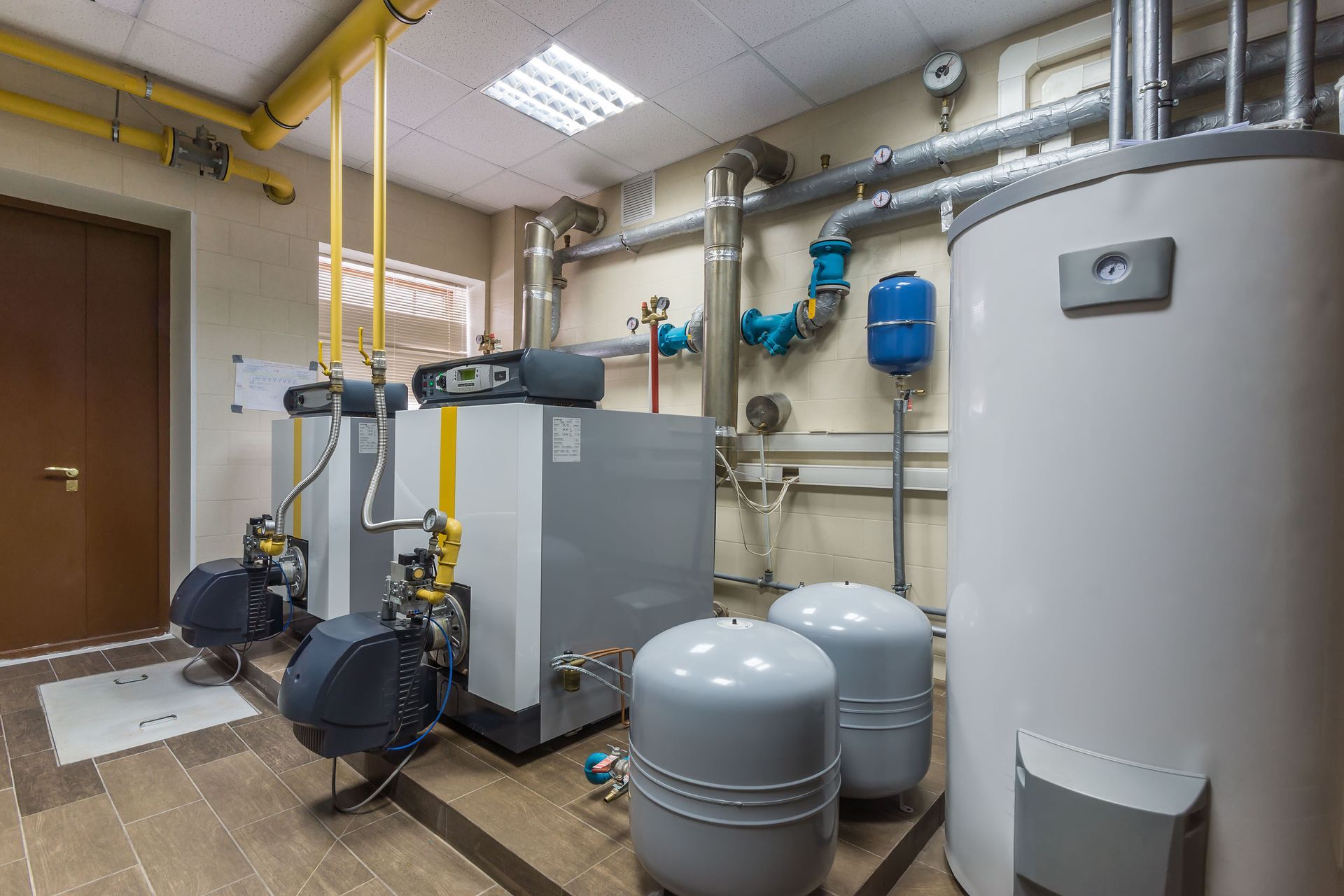
Conventional tank models remain common because they are straightforward to install and provide reliable service for immediate residential plumbing and commercial plumbing needs. These units heat and store a continuous supply of water, which makes them readily available but subjects them to constant standby heat loss. Choosing experienced water heater companies for proper sizing and placement ensures that your system operates as efficiently as possible without incurring excessive operational expenses over its lifespan.
According to Home Advisor, traditional water tanks usually need replacing every six to 15 years, whereas tankless options can last 20 years or longer. This significant variance in service life depends heavily on water hardness, routine upkeep, and the overall quality of the initial setup. Relying on water heater companies helps prevent early tank failure caused by sediment accumulation, thermal stress, and internal corrosion.
Regular upkeep is essential to maximize the investment you make in a storage tank unit. Flushing the system annually removes mineral deposits that cause thermal stress and degrade performance over time. Working with certified water heater companies for routine checks on anode rods, thermostats, and pressure release valves helps extend system longevity and prevents sudden emergency plumbing breakdowns.
Understanding how standard storage units operate helps illustrate why their operational life is shorter than newer alternatives. Cold water enters through a dip tube at the bottom of the tank, where an electric element or gas burner heats it to the desired setpoint. As the warm water rises to the top, it sits in the reservoir until someone opens a fixture. This continuous heating cycle means the burner or element fires repeatedly throughout the day, even when no one is actively using hot water.
Because the tank continuously holds water, it remains exposed to constant chemical interactions. Minerals like calcium and magnesium naturally separate from the heating liquid and settle at the base of the tank. This sediment layer acts as a barrier between the heating burner and the liquid, forcing the unit to run longer and hotter to reach the desired temperature. Over time, this extra strain causes the metal base to weaken, crack, or leak, making regular flushing absolutely essential.
Choosing Modern Tankless Technology
On-demand units heat water directly as it flows through the system, eliminating the need for a massive storage tank. This design drastically reduces energy consumption while providing a virtually endless supply of hot water for daily usage. Partnering with skilled water heater companies guarantees that your gas lines, ventilation, or electrical connections are configured correctly for high-demand usage.
Because tankless units do not hold standing water, they resist internal corrosion much better than standard storage designs. Choosing reliable water heater companies for specialized tankless water heater install and repair ensures your equipment operates at peak efficiency for decades. These compact systems save significant floor space while delivering superior long-term durability for modern properties.
To keep on-demand equipment running smoothly, periodic descaling is required to remove mineral buildup from the internal heating elements. Properties with high mineral content may also benefit from a water filtration installation or water filtration repair to protect sensitive components from harsh mineral buildup. Experienced water heater companies can evaluate your water quality and perform precise flushing services to keep your system performing smoothly year after year.
The underlying mechanics of tankless systems highlight why they offer such impressive efficiency gains. When a hot water faucet is turned on anywhere in the building, flow sensors instantly detect the movement and signal the high-powered heat exchanger to ignite or activate. Cold water flows through the intense heat exchanger, absorbing heat instantly before exiting the unit at the exact target temperature.
Once the tap is turned off, the flow sensor signals the system to shut down immediately, stopping all energy consumption until the next demand. This complete elimination of standby heat loss accounts for the significant utility savings that property owners experience over time. However, because the heat exchanger operates under intense heating conditions, keeping internal passages free of scale is critical to preventing premature component failure.
Evaluating Heat Pump Alternatives
Hybrid heat pump systems offer another modern option by moving ambient heat from the surrounding air directly into the storage tank. This innovative mechanism uses significantly less electricity than standard electric resistance units, making it an excellent choice for energy-conscious owners. Leading water heater companies can assess your utility space to confirm there is adequate airflow and space for a hybrid unit to operate effectively.
These eco-friendly units typically offer an operational life of 10 to 15 years when properly maintained in suitable environments. Keeping the air filters clean, clearing condensate drain lines, and verifying refrigerant levels are crucial steps in protecting the mechanical compressor. Enlisting qualified water heater companies for annual maintenance ensures that these specialized components remain in optimal condition throughout their working lifecycle.
While heat pumps involve a higher upfront investment, the dramatic reduction in monthly energy usage quickly offsets the initial cost over several years. They perform exceptionally well in warm or mild spaces, offering reliable efficiency for both residential and commercial applications. Consulting with certified master plumber experts helps you determine if a hybrid unit fits your property's layout, ventilation options, and long-term financial goals.
Heat pump technology operates essentially like a refrigerator working in reverse. Instead of pushing heat out of an enclosed cabinet into the surrounding room, a heat pump pulls thermal energy from the surrounding air and transfers it into the water tank via sealed refrigerant lines. This process requires a fraction of the electricity consumed by traditional heating elements, producing dramatic efficiency gains.
Because heat pumps draw thermal energy from surrounding spaces, they also provide mild dehumidification and cooling in the room where they are installed. This added benefit makes them particularly useful in damp basements or warm utility spaces. However, because they rely on airflow, installing them in tight closets without adequate louvers or ducting will severely limit their efficiency and strain internal components.
Making a Long-Term Investment
Selecting the optimal replacement model involves balancing initial installation costs against expected annual operating expenses. Traditional tank models cost less up front, but their higher energy consumption and shorter lifespan mean you will likely replace the unit sooner. Tankless and heat pump systems require a larger initial investment, but they reward owners with lower utility bills and significantly extended service lives.
Beyond selecting the equipment itself, the quality of installation directly impacts system longevity, overall efficiency, and operational safety. Proper venting, precise gas line sizing, adequate electrical capacity, and correct expansion tank installation are critical elements that require specialized plumbing expertise. Skimping on installation quality often leads to premature failures, voided manufacturer warranties, and higher repair bills over time.
Deciding between standard tanks, tankless systems, or hybrid heat pumps ultimately depends on your budget, space constraints, and long-term goals. Investing in quality equipment and scheduling professional maintenance guarantees reliable hot water performance for years to come. For same-day estimates, master-level craftsmanship, and a 1-year full warranty on all plumbing repairs in Tupelo, MS and the surrounding areas, contact Weiand Plumbing, Inc today to schedule your upgrade!