June 12, 2026
Basements require careful moisture control to protect the structure, comfort and value of a home. A dry basement helps prevent mold, mildew, wood rot and foundation damage that can lead to expensive repairs. Professional waterproofing is important because every home has different risks based on soil, grading, drainage, plumbing systems and foundation condition. With the right plan, plumbers can create a cleaner, safer and more usable lower-level space.
Common Sources Of Basement Moisture
Groundwater intrusion is one of the most common causes of basement dampness. When the water table rises after heavy rain or snowmelt, pressure can build against basement walls and floors. This pressure may force water through cracks, joints or porous concrete. Drainage systems, sump pumps and exterior waterproofing materials can help move water away from the foundation before it enters the home.
Surface water can also create basement moisture problems when gutters, downspouts or grading do not move runoff away from the house. Water that pools near the foundation can eventually seep inside. Extending downspouts, cleaning gutters and adjusting the slope of landscaping are simple but important steps. These improvements help reduce the amount of water pressing against the basement walls.
Humidity And Condensation Control
Humidity and condensation can make a basement feel damp even when there is no obvious leak. Warm outdoor air can meet cooler basement surfaces and create condensation on walls, floors and pipes. Over time, this moisture may encourage musty odors and mold growth. Dehumidifiers, insulation and improved ventilation can help control indoor moisture and keep the basement more comfortable.
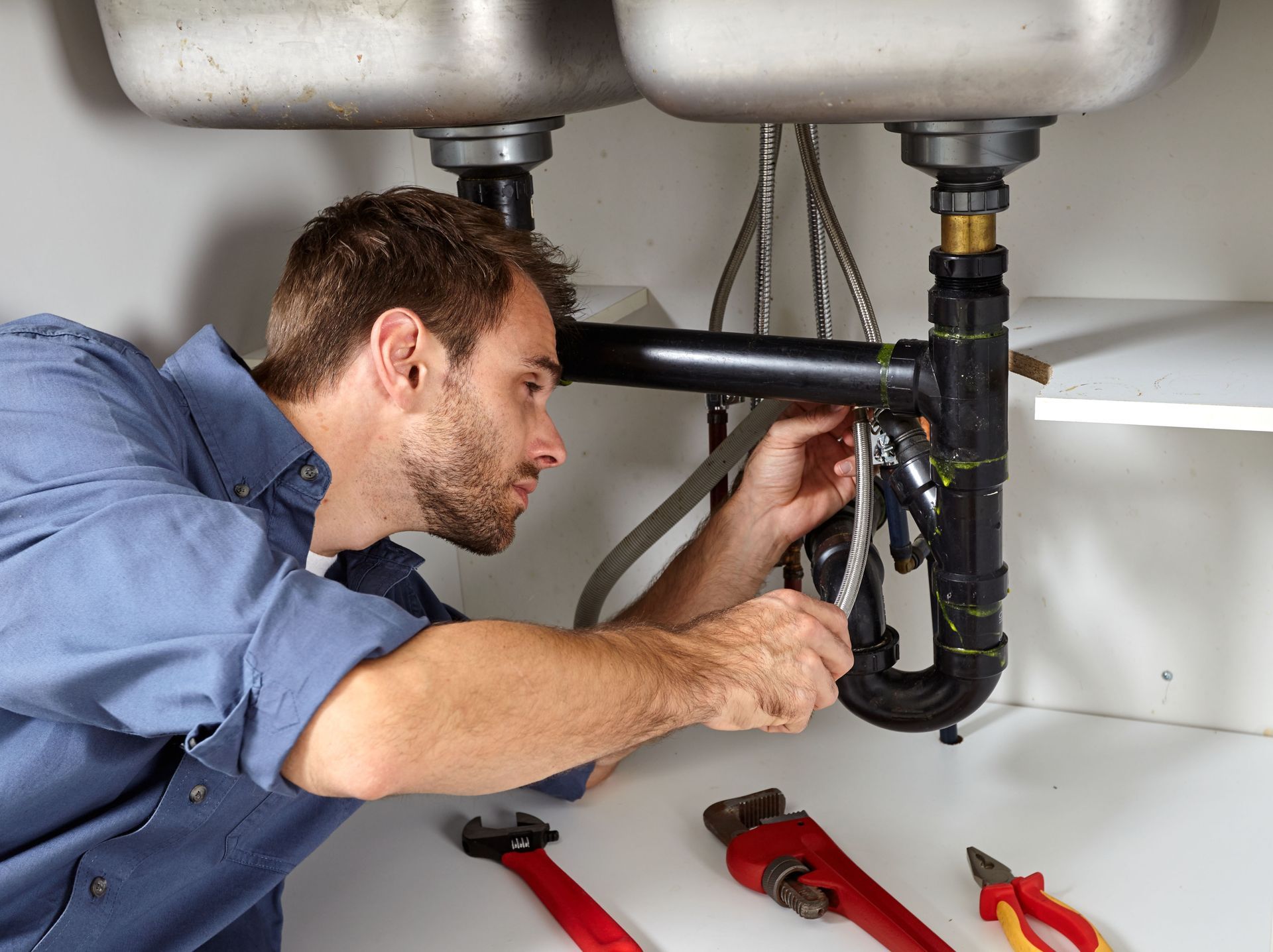
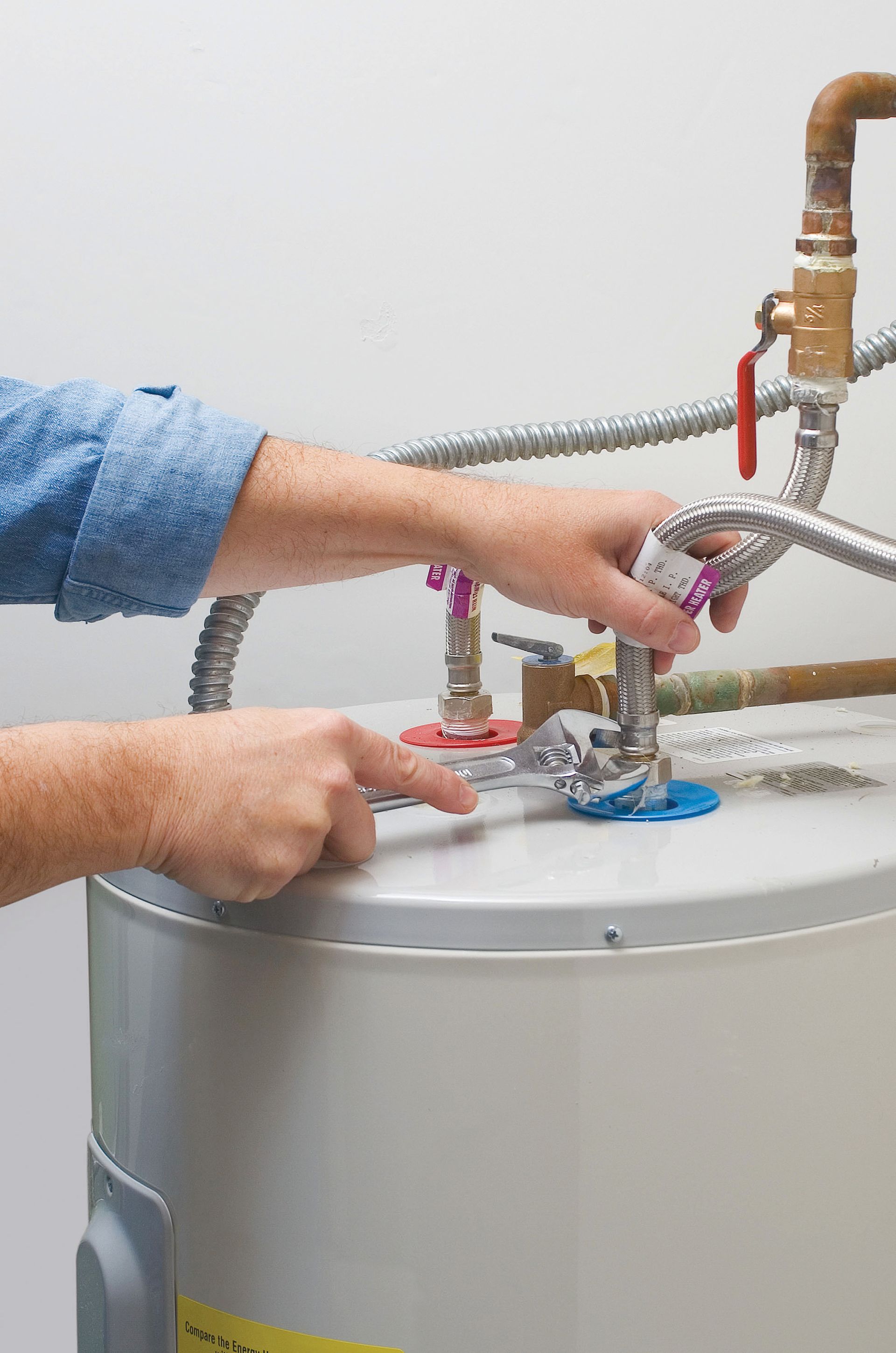
Homeowners should also pay attention to plumbing-related moisture. Leaking pipes, water heaters, laundry appliances and utility sinks can all introduce water into the basement. Professional plumbers can inspect these systems, identify hidden leaks and repair problems before they cause widespread damage. Routine checks are especially important in older homes where pipes and fittings may be more vulnerable to wear.
Foundation Cracks And Structural Weaknesses
Foundation cracks give water a direct path into the basement. Some cracks are caused by normal settling, while others result from soil expansion, poor drainage or long-term pressure against the foundation. Even small cracks should be evaluated because they can widen over time. Epoxy or polyurethane injections may be used to seal certain cracks, while more serious structural problems may require additional repair methods.
Wall and floor joints are another vulnerable area. Water often enters where the basement wall meets the floor because this joint can be difficult to seal completely without the right materials. Waterproofing professionals can identify these weak points and recommend targeted solutions. When plumbers and waterproofing specialists work together, homeowners can address both plumbing leaks and foundation-related moisture risks.
Basement Inspection And Planning
A thorough inspection is the first step in creating an effective waterproofing plan. Professionals examine the basement interior, exterior grading, drainage systems, visible cracks, humidity levels and signs of past water damage. This process helps determine whether the moisture is coming from groundwater, surface runoff, condensation or plumbing issues. Accurate diagnosis prevents homeowners from spending money on solutions that do not address the real problem.
Planning should also include soil and water table conditions. Clay-heavy soil can hold water and place extra pressure on foundation walls. Homes in low-lying areas may need stronger drainage systems because water collects more easily around the property. By understanding these site conditions, contractors can recommend solutions that fit the home instead of relying on a one-size-fits-all approach.
Waterproofing Methods And Materials
Interior waterproofing methods may include sealants, vapor barriers, sump pumps, drainage channels and dehumidification. These solutions help manage water after it reaches the basement or reduce the conditions that cause dampness. Interior systems are often less invasive and may be effective for homes with moderate moisture concerns. However, they must be installed correctly to prevent trapped moisture or incomplete protection.
Exterior waterproofing focuses on stopping water before it enters the foundation. This may include excavation, exterior membranes, footing drains and improved surface drainage. While exterior work can be more involved, it often provides strong long-term protection. The best approach may combine interior and exterior systems depending on the severity of the problem and the layout of the property.
Sump Pumps And Drainage Systems
Sump pumps are important for homes that experience water accumulation below the basement floor. These systems collect water in a sump pit and pump it away from the foundation. Proper installation is essential because the pump must be correctly sized, placed and connected to a discharge line. According to Thumbtack, primary sump pump installations can take 1 to 2 hours, which highlights how experienced professionals can complete the process efficiently while still focusing on proper setup and performance. Backup power options are also helpful during storms, when power outages are more likely.
Drainage systems must remain clear to work properly. Clogged drains, blocked discharge lines or damaged sump pump parts can lead to water backup. Homeowners should test their sump pumps regularly and schedule inspections before heavy rain seasons. Plumbers can help maintain pump connections, discharge lines and related plumbing components so the system continues to move water safely away from the home.
Benefits Of Professional Installation
Basement waterproofing is not usually a good project for guesswork. Using the wrong sealant, overlooking exterior drainage or misdiagnosing the moisture source can lead to continued leaks and wasted money. Professionals bring the tools and experience needed to identify the cause of the problem and install the correct system. This helps homeowners avoid repeated repairs and long-term frustration.
Professional installation can also support code compliance and warranty protection. Sump pumps, drains and related systems may need to meet local requirements for safe and effective operation. Experienced contractors and plumbers understand how these systems should be installed and connected. Their work can help protect the home while giving homeowners greater confidence in the results of the services.
Maintenance And Monitoring
After waterproofing systems are installed, regular maintenance helps preserve their performance. Homeowners should inspect the basement for damp spots, odors, new cracks or water stains. Gutters and downspouts should be kept clear, and soil should continue to slope away from the foundation. Seasonal inspections are especially useful after storms, snowmelt or long periods of heavy rain.
Dehumidifiers should be cleaned and emptied as needed, while sump pumps should be tested to confirm they activate correctly. Drainage paths should remain free of debris so water can flow away from the home. Plumbers can also check pipes, fixtures and appliances to make sure hidden leaks are not contributing to basement moisture. Ongoing attention helps small issues stay manageable.
Cost And Long-Term Value
Waterproofing costs vary based on the size of the basement, the source of the moisture and the type of system required. Although the upfront investment can feel significant, prevention is often far less expensive than repairing water-damaged flooring, drywall, framing or personal belongings. A dry basement also protects indoor air quality and reduces the risk of mold-related concerns.
Basement waterproofing can increase the usefulness and value of a home. A clean, dry lower level may serve as storage, a workshop, a family room or future finished living space. Buyers often view moisture control as a major advantage because it reduces uncertainty about future repairs. With help from waterproofing professionals and qualified plumbers, homeowners can protect their foundation and create a healthier basement environment. Reach out to our team at Weiand Plumbing Inc today to get connected to our plumbing services.